Services
We guide every stage, from the first research to the finished book.
Unprecedented access to scholarship
Each collection’s story is told by leading scholars who specialise in the artists and periods it represents.
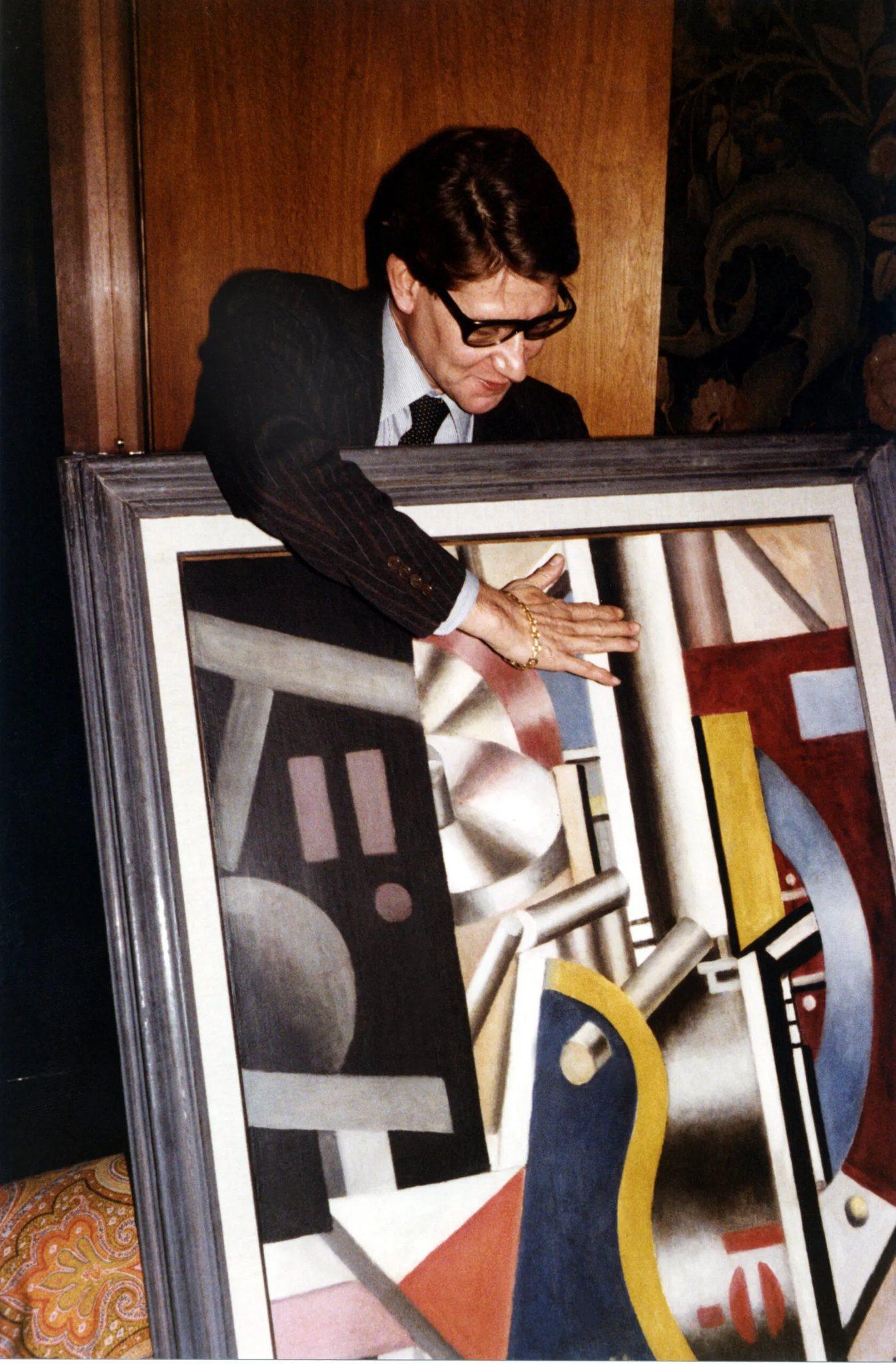
Shaping the collection’s narrative
Each book goes beyond a traditional collection catalogue of individual entries, beginning with a full study of the collection. Its defining themes and movements become chapters and essays, chosen by the collector with the specialists, to reflect the collection’s narrative and historical breadth.
We also tell the collector’s own story: how the collection began and their taste developed, their friendships with artists and visits to their studios, and the public loans that show both their generosity and the collection’s institutional value.
50+
Scholars from institutions across Europe, the United States and the Middle East, including:
- Musée du Louvre
- The British Museum
- Museo del Prado
- Vatican Museums
- J. Paul Getty Museum
Design and Printing
Design and craftsmanship are at the heart of each book. Our books are not made for commercial or mass distribution: each is a numbered limited edition, finished by hand and signed by the collector.
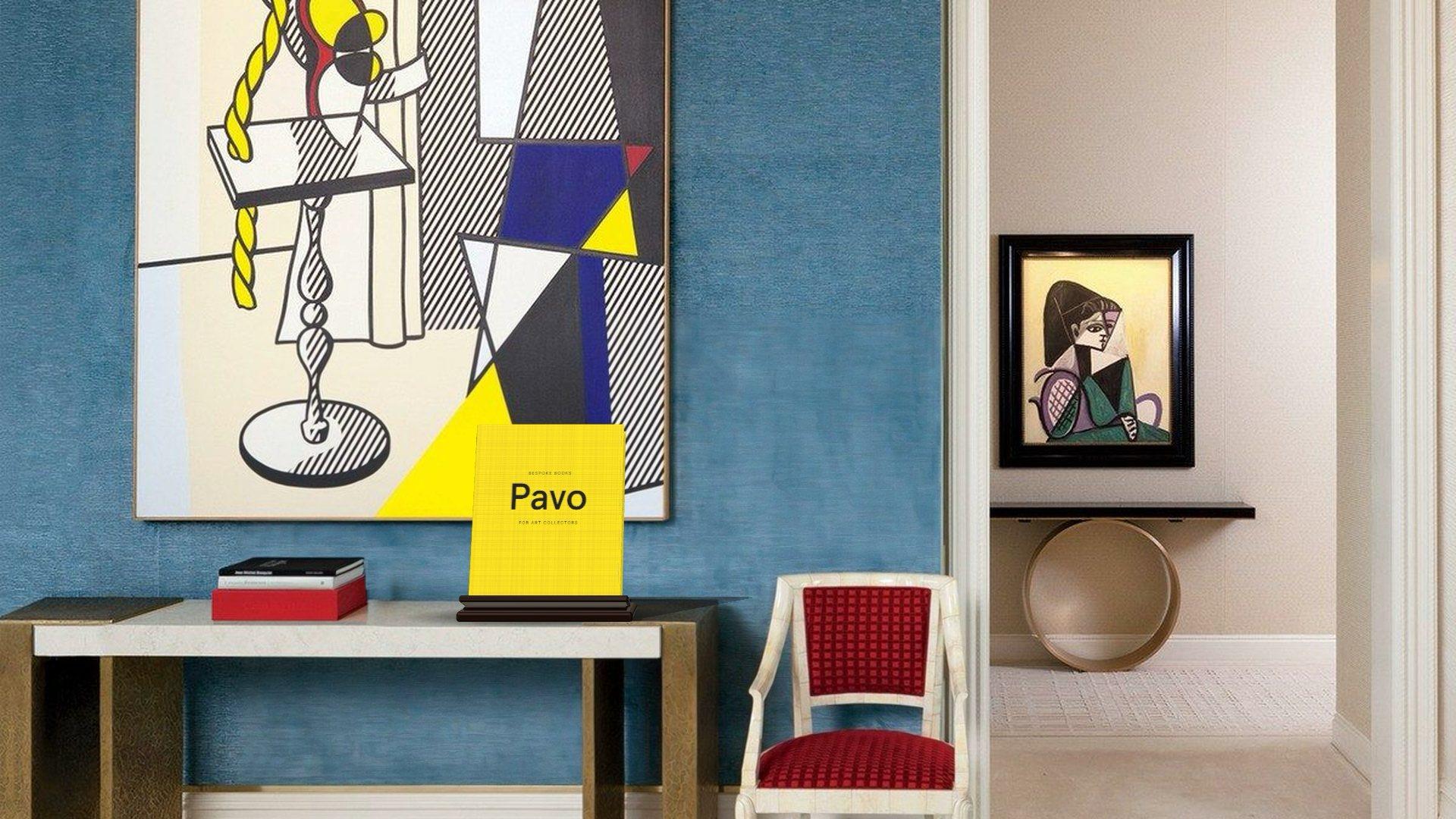
The result is an object that draws the eye in every space it inhabits, its pages rich in photography that seeks to capture the experience of standing before the works.
Our designer visits each collection to study the works, then creates a bespoke visual identity for the book. Every detail follows, from papers and inks sourced in England, Italy and Japan to the character of the finished volume.
Each book is printed in England by a press holding three Queen’s Awards for Sustainable Development, whose clients include Gagosian, the Metropolitan Museum of Art, Sotheby’s and the New Museum.
Permanent legitimacy
A collection’s value rests on its history, and provenance is the cornerstone of every Pavo book.
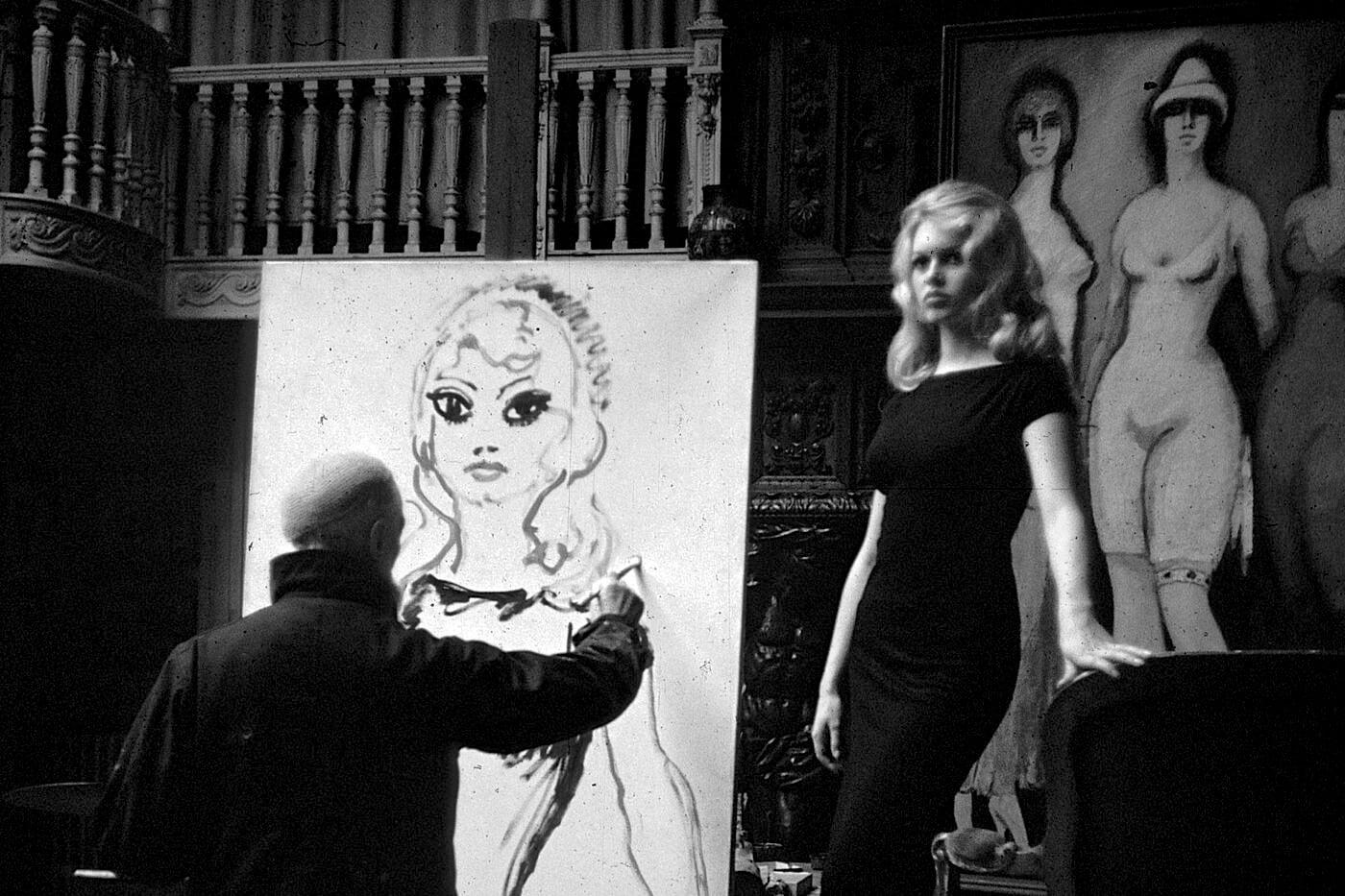
i. In the studioArtists, sitters and studios, from the archive.
We work with institutional and private archives worldwide to uncover new material: photographs of works in former owners’ homes, of sitters, of artists in their studios and of collectors with the artists they championed.
ii. In former collectionsWhere the works hung for their former owners.
iii. On exhibitionShown in scholarly exhibitions.
iv. In the museumOn long-term loan to public institutions.
Preparatory sketches, letters and exhibition records trace each work’s journey from the studio to the collection today, giving it lasting historical standing.
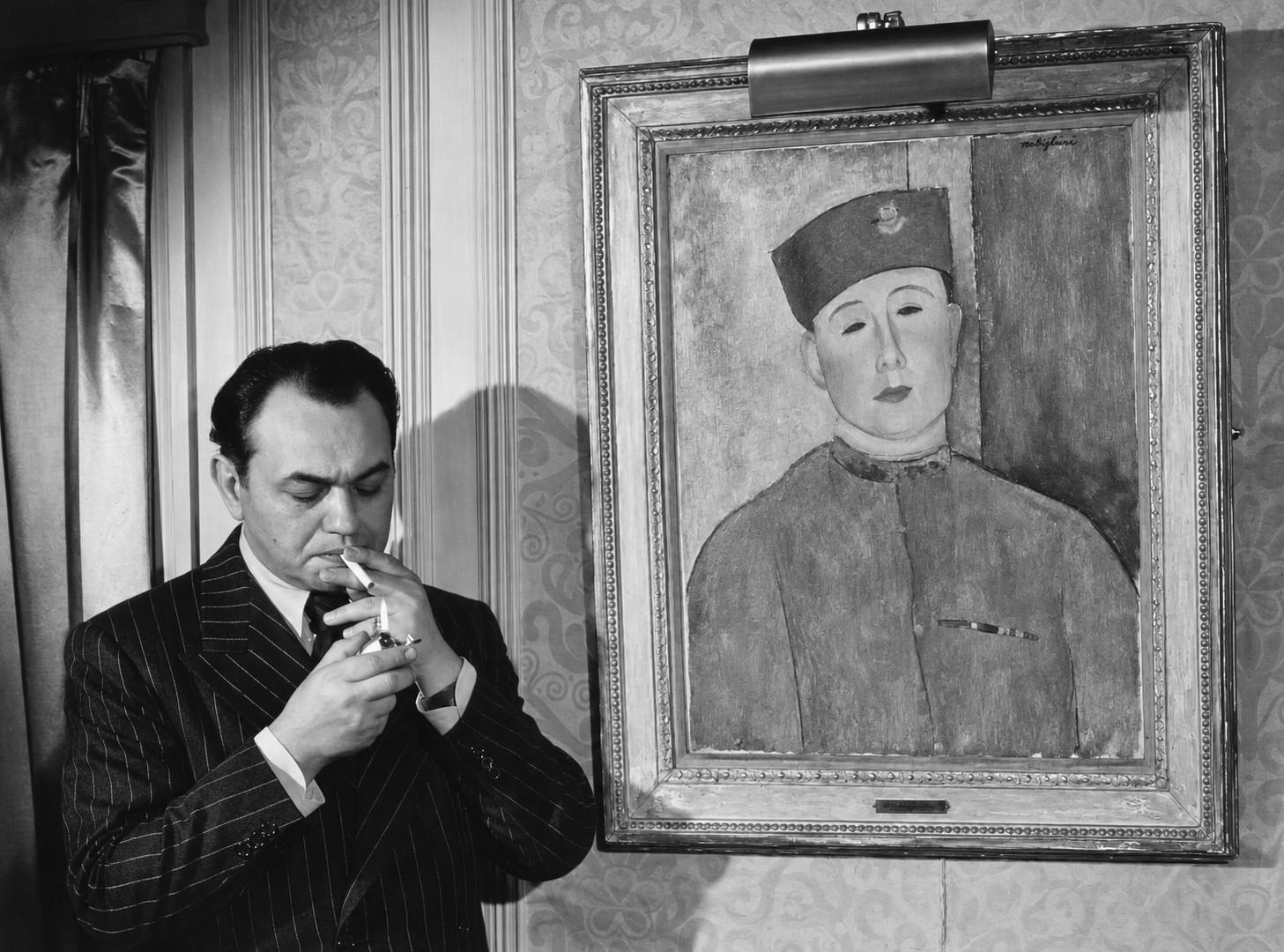
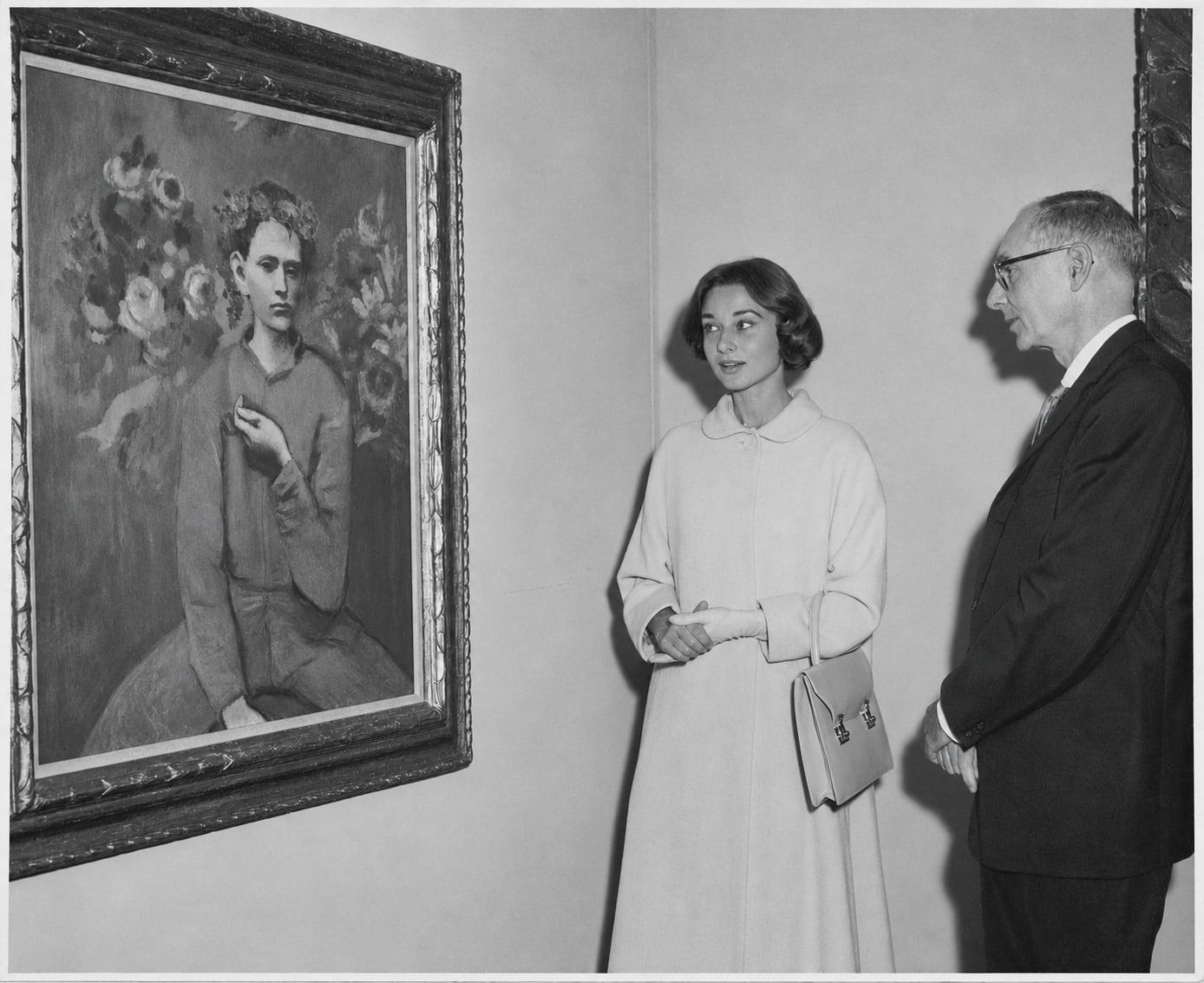
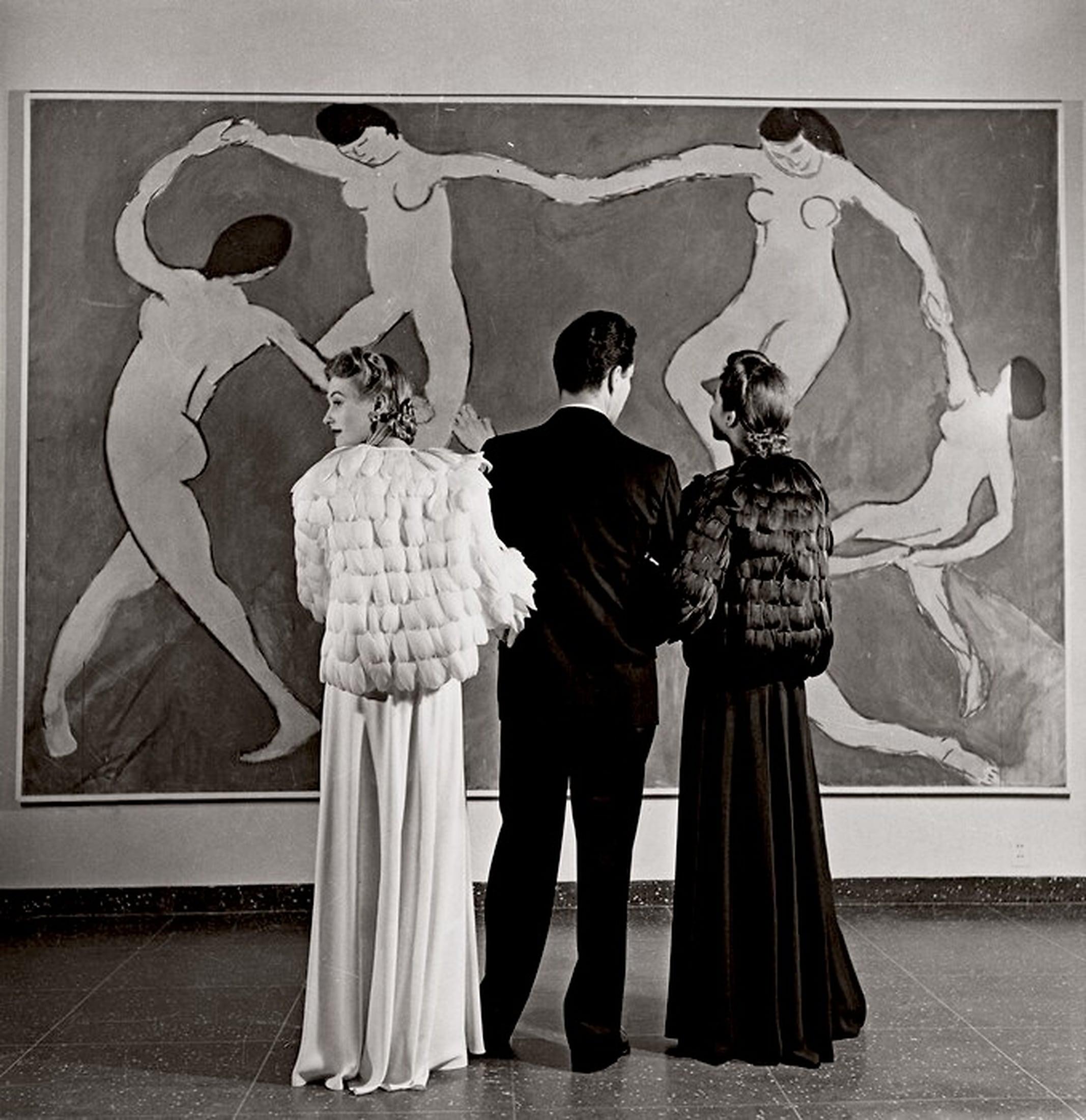
We work with institutional and private archives worldwide to uncover new material: photographs of works in former owners’ homes, of sitters, of artists in their studios and of collectors with the artists they championed.
Preparatory sketches, letters and exhibition records trace each work’s journey from the studio to the collection today, giving it lasting historical standing.
Showing the collection across homes
Our books can bring a collection together across the collector’s homes, whether city residences, beach villas, mountain chalets or country estates. Each book takes everyone who opens it on a journey through the collection in these different spaces, showcasing the architecture and interiors of each home.


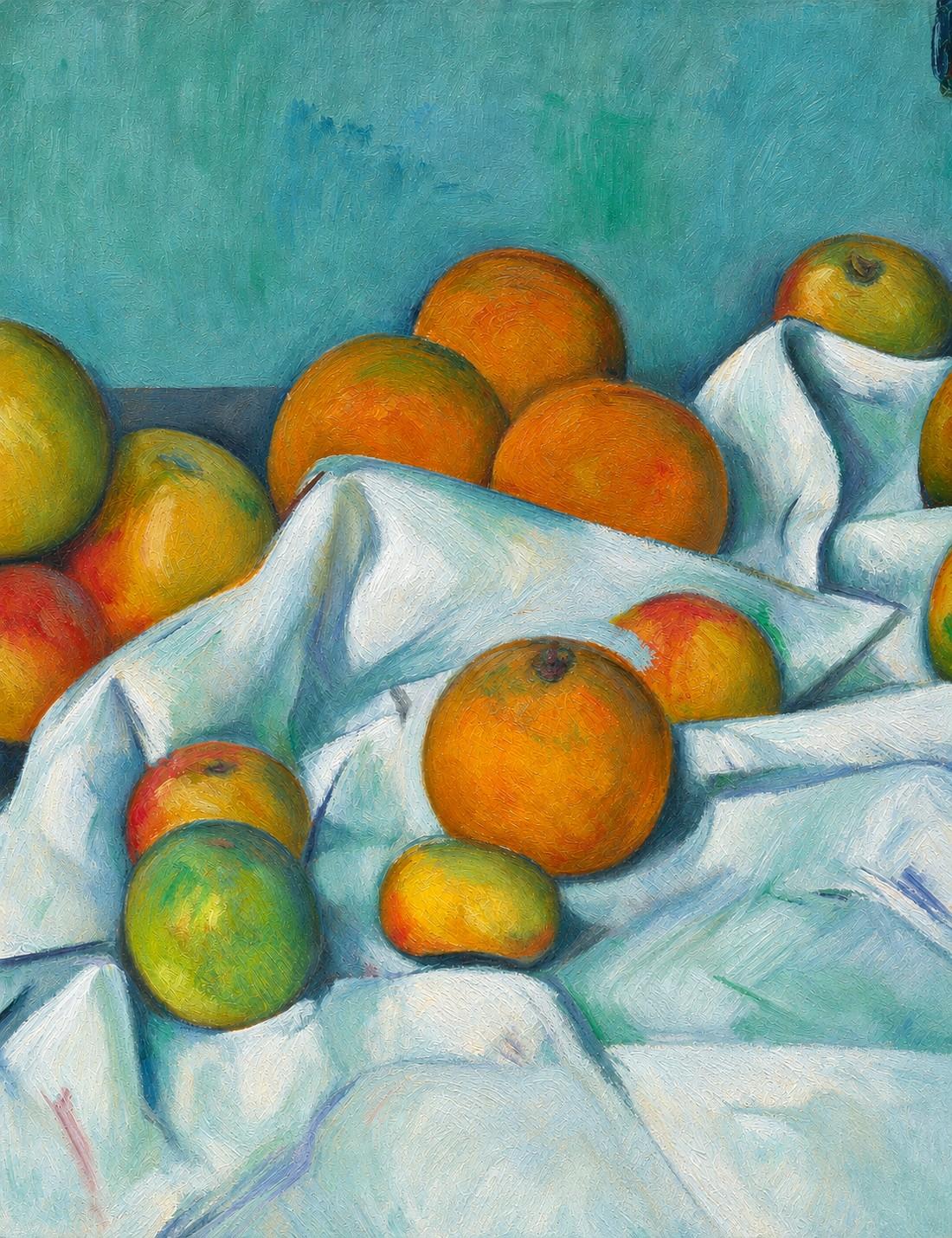
Where needed, works are newly photographed by trusted specialists in artwork photography, capturing every detail.
Where needed, works are newly photographed by trusted specialists in artwork photography, capturing every detail.
A collection is also a family story. Our books tell it.
Our books often include photographs from family albums, which add a personal dimension: the family behind the collection.

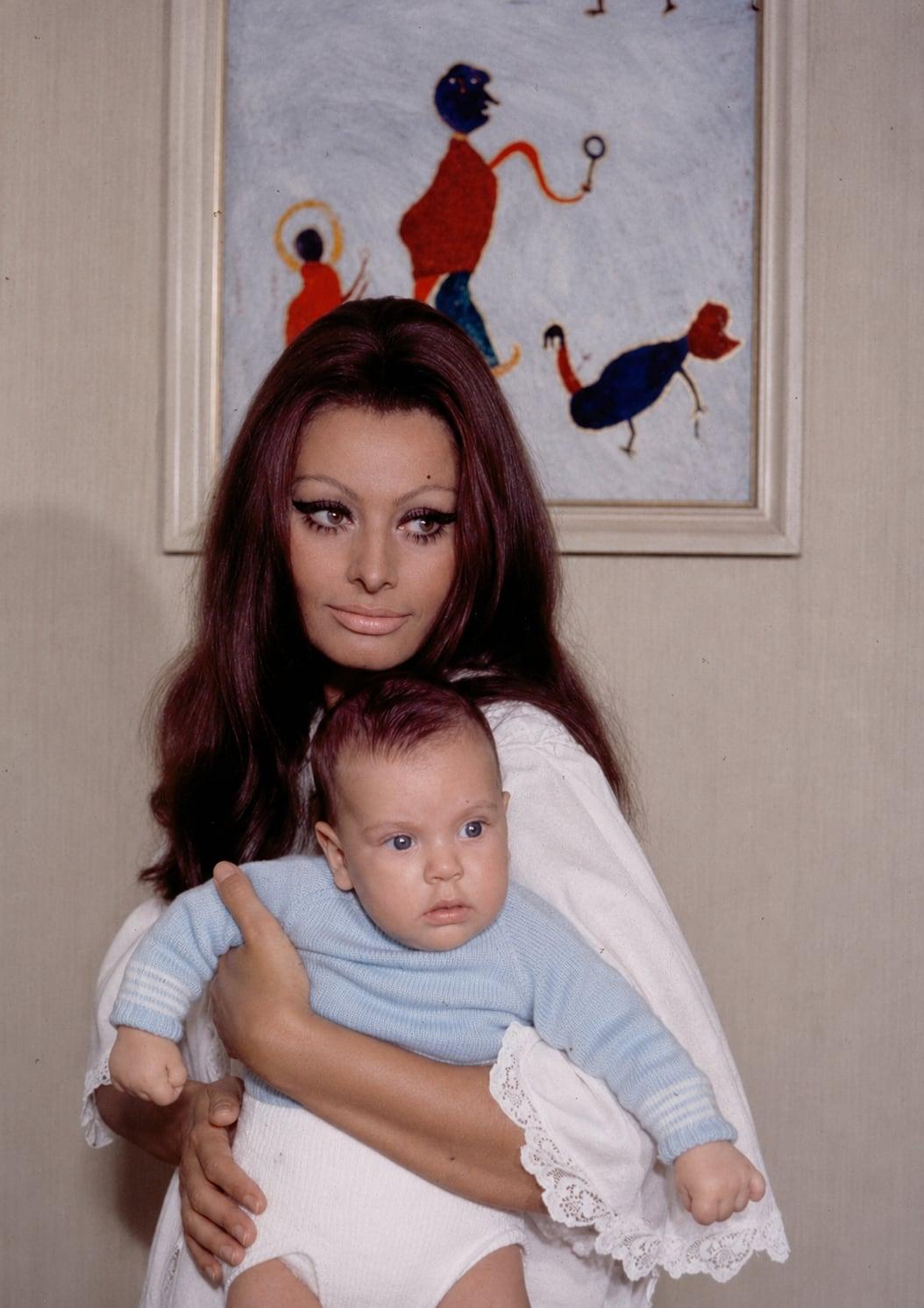
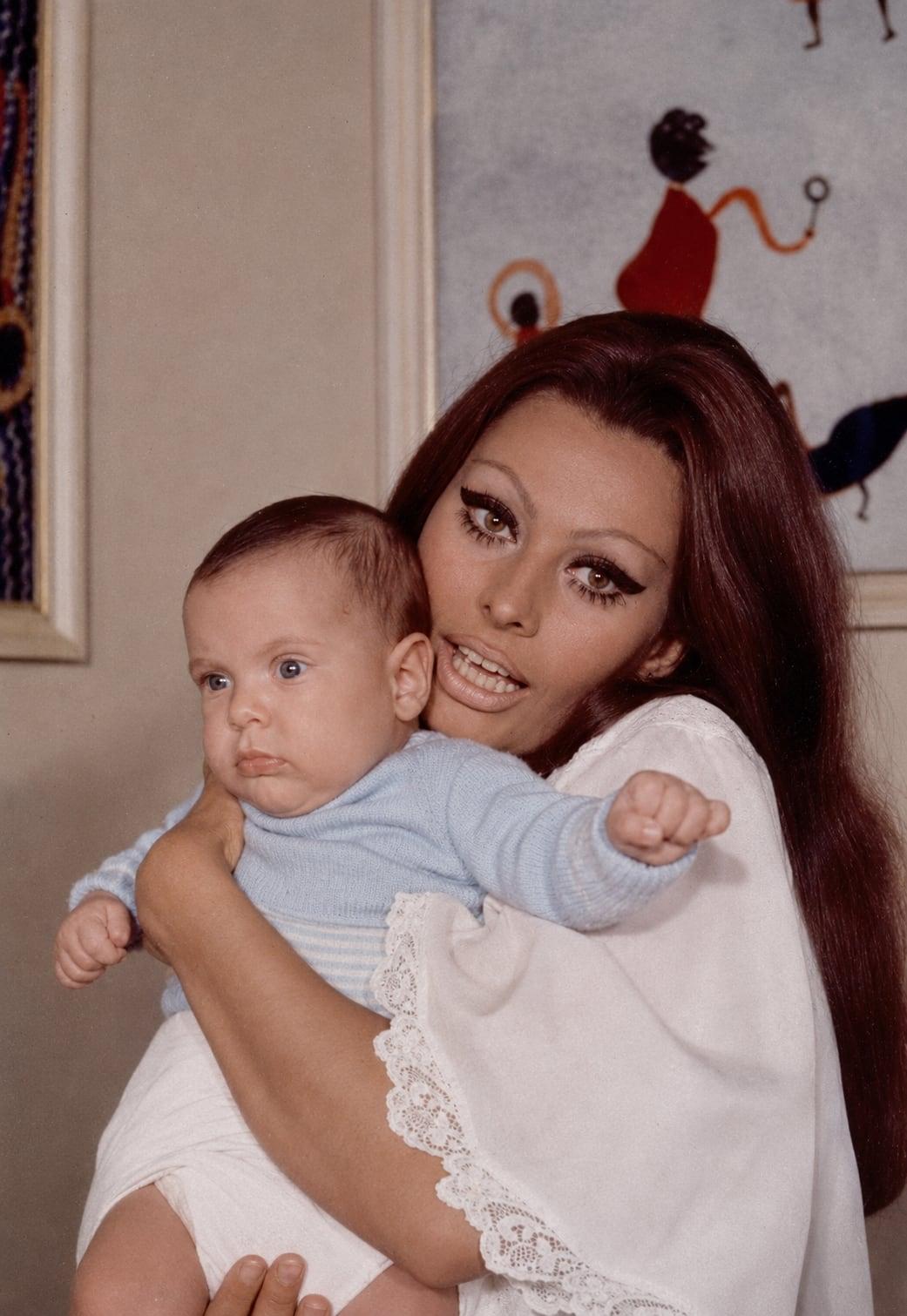
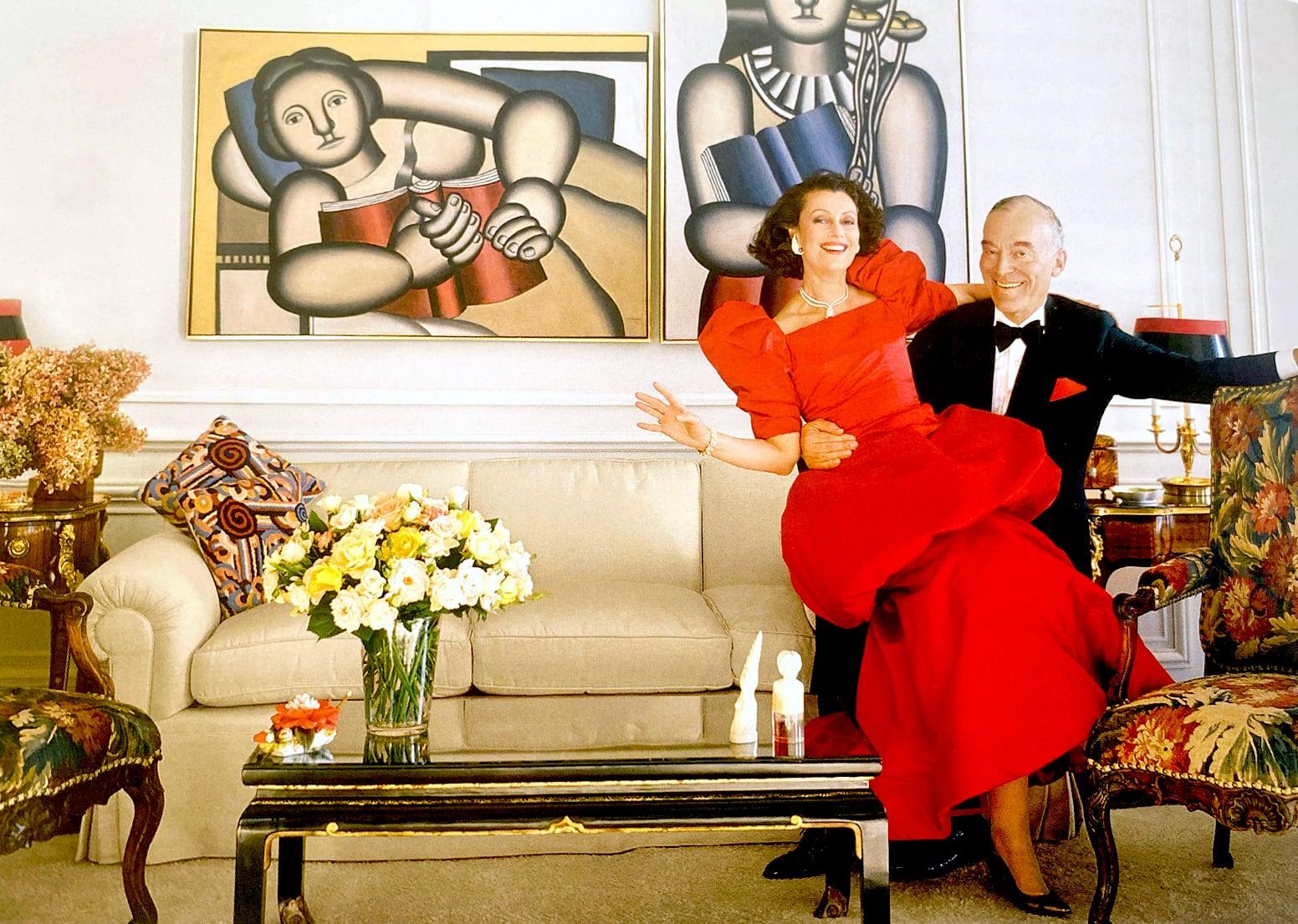
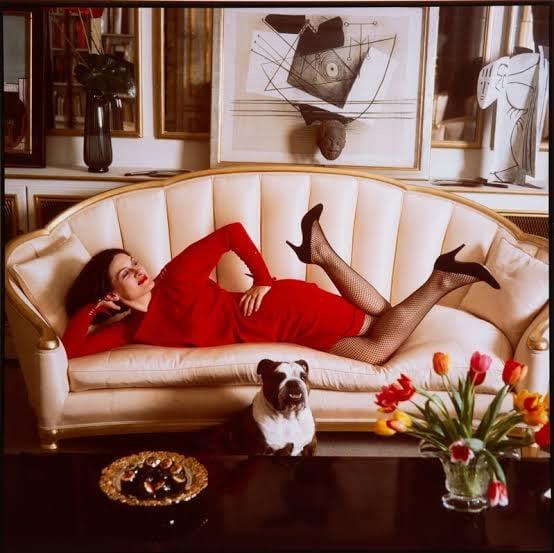
These may show collectors at home, grandparents and parents with the collection, children growing up among the works, studio visits, birthdays and the celebrations shared with the collection over generations.
Set beside museum scholarship, these images carry the family’s personal history, values and memories across generations in a lasting and powerful way.
Placed in the world’s great libraries, selected by the collector.
We manage the entire publishing process, whether a book is printed privately or published for a wider readership.
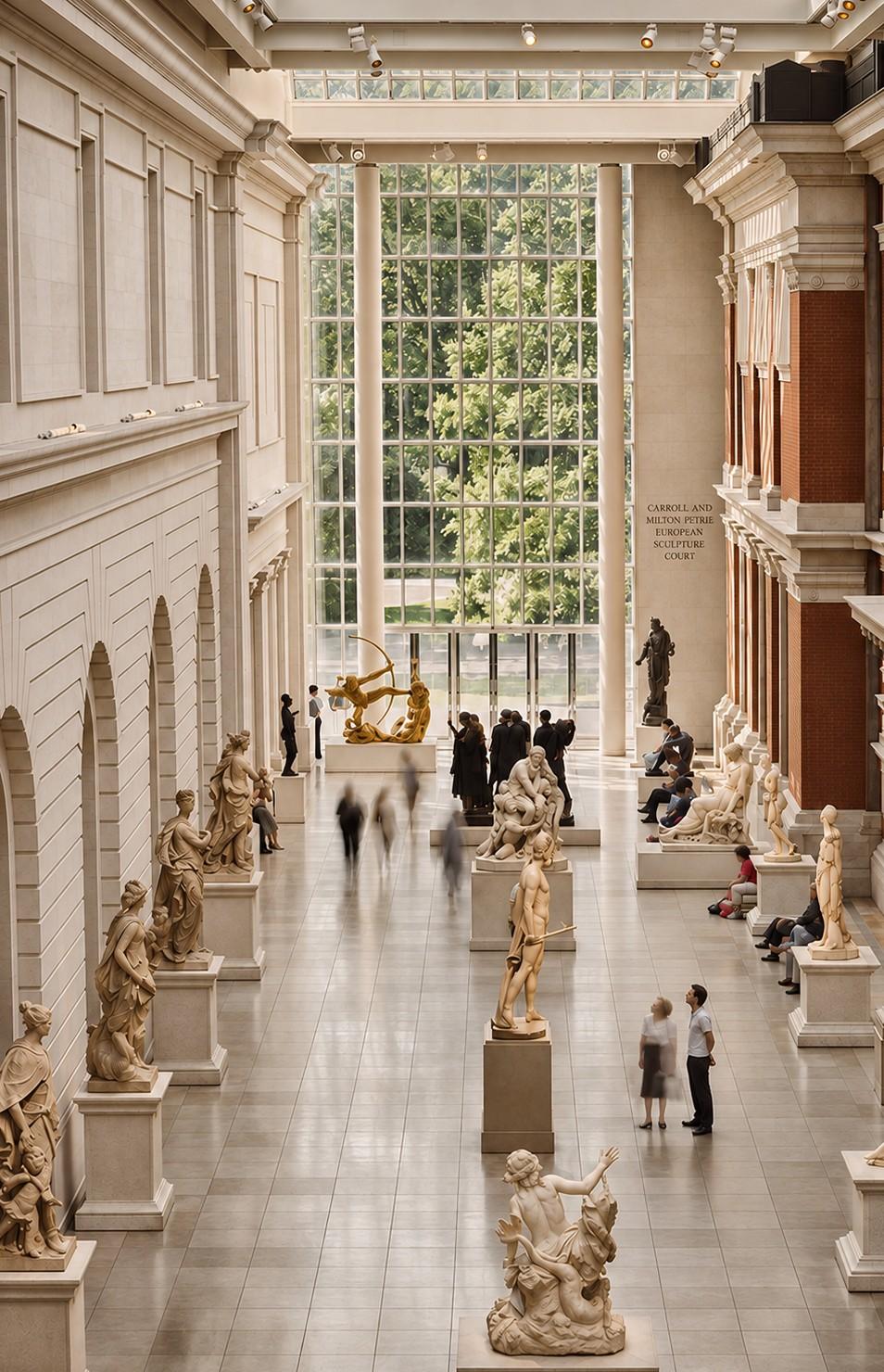
For public editions, we register the ISBN and place copies with leading museum and research libraries worldwide, where the collection is available to scholars and the public and becomes part of the permanent institutional record. Libraries that have requested our books include those of the Metropolitan Museum of Art, the Rijksmuseum, the Uffizi, the Art Institute of Chicago and the Courtauld.
From first study to delivery
3 to 14 months
Our books can take anywhere from three to fourteen months. The timeline shown here is for our most requested Pavo format: a two-volume scholarly publication of around 350 pages per book.
Every timeline is tailored to its collection. This one is a guide, not a fixed schedule.
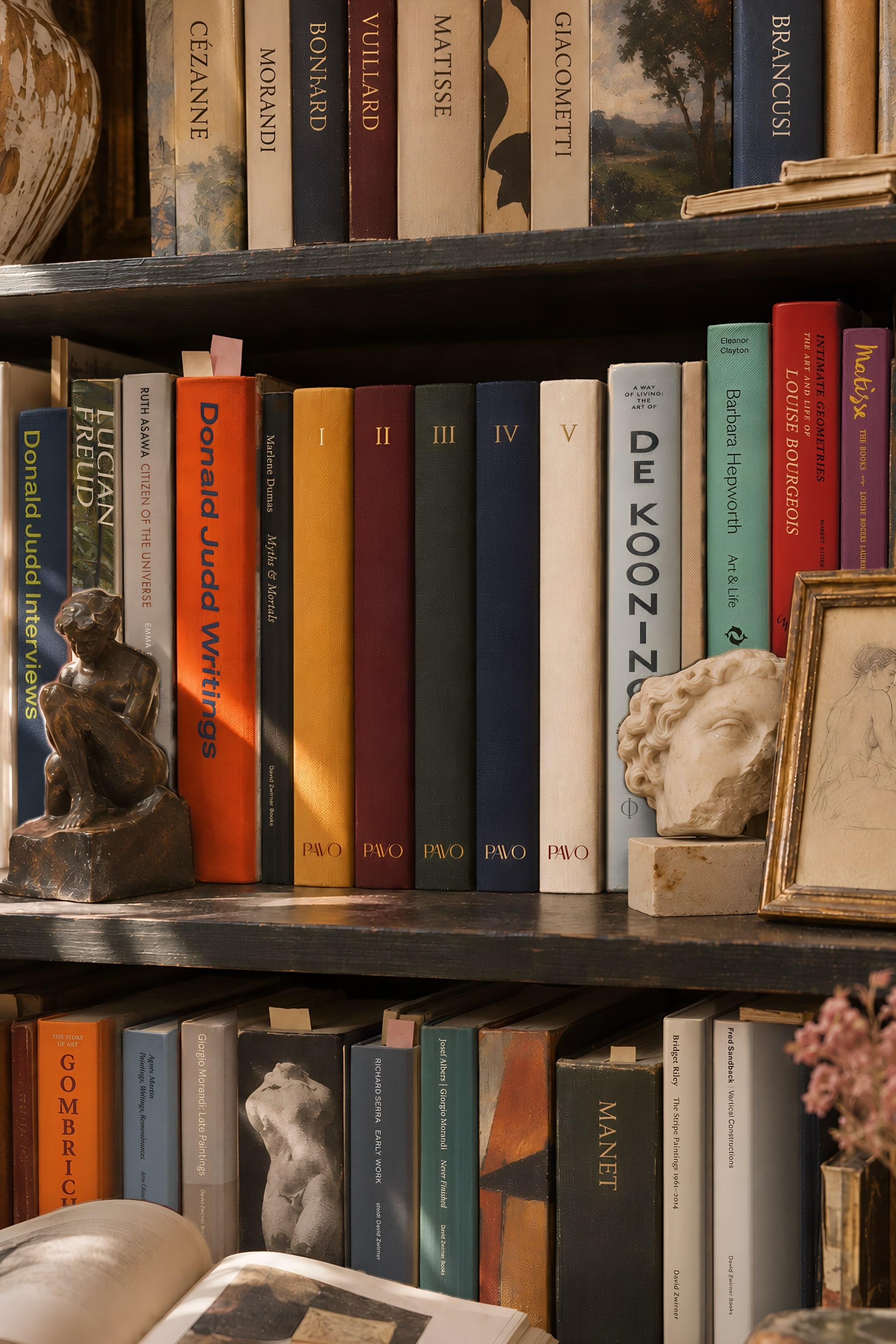
- Month 1Study and discoveryWe visit the collection, interview the collector and study the works closely.
- Month 2The book takes shapeWe agree the scope, scale, voice, number of volumes and readership, and build the structure and scholarly framework. The collector chooses from the specialists we propose.
- Month 3Scholarship commissionedEssays are commissioned from the specialists, who receive research materials and begin their independent research.
- Months 4–5Provenance and photographyIn-depth archival and provenance research begins, alongside photography of the collector’s homes and the gathering of relevant family photos. Image licensing begins.
- Month 6Design conceptThe design concept is completed and presented to the collector.
- Month 7EditingThe essays are delivered to Pavo and our editor for editing, and approved by the collector.
- Month 8CopyeditingEvery essay is copyedited, and the final image rights are cleared.
- Months 9–10Full designThe complete book is laid out page by page, then reviewed and approved by the collector.
- Month 11ProofingThe book is proofed by everyone involved in the project.
- Month 12PrintingAfter a final month of proofreading, the files go to print.
- Months 13–14Printing and deliveryPrinted in England and finished by hand, the volumes are delivered to the collector, and public editions are placed in libraries.